Cooking and Clothes Drying
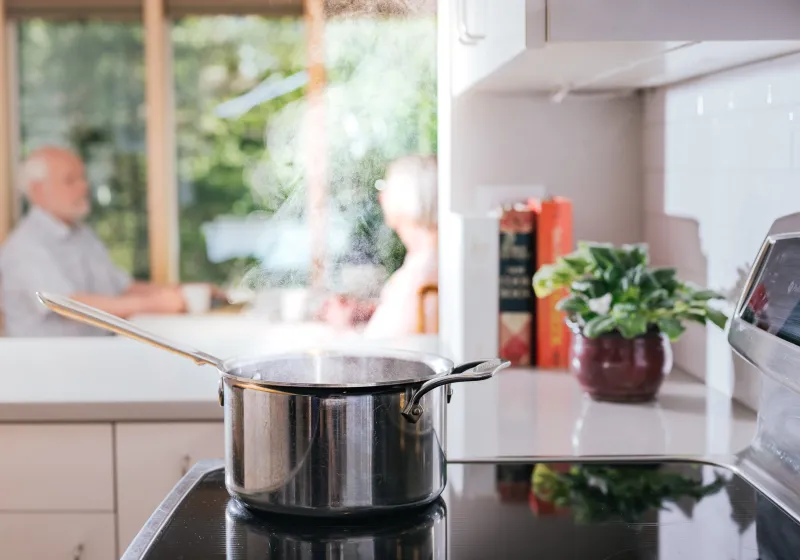
Switch to electric appliances for better health, safety, and efficiency
Home appliances use a lot of energy and can produce indoor air pollution. Replacing your existing or aging appliances with new, more efficient, electric options can improve your indoor air quality. When you plan your appliance upgrades, we recommend starting with the stove, followed by the clothes dryer, but any order will have a positive impact on your indoor air quality.
Cooking
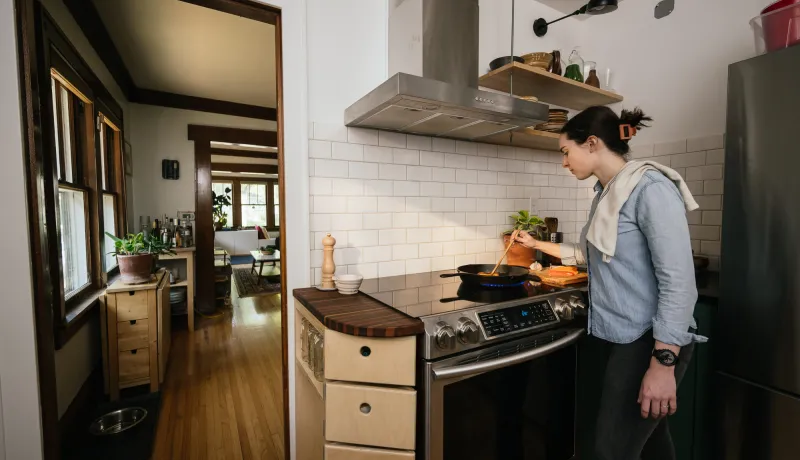
Gas-burning ranges can release pollutants like carbon monoxide and nitrogen dioxide, which have negative effects on air quality, health, and safety, especially in younger children, vulnerable adults, and pets.
An induction range uses an electromagnetic field to cook more efficiently, faster, and more precisely than other cooktops. A traditional electric range uses a current in a heating element to create heat. Both options are more efficient than traditional gas ranges, but induction ranges are slightly more efficient.
Portable induction cooktops are a cost-effective, easy-to-use alternative to a range replacement. This open is great for renters and anyone else who cannot replace their ranges.
No matter what type of range you have, you should always use ventilation when cooking to reduce additional pollution and cut down on moisture in the home.
Clothes Drying
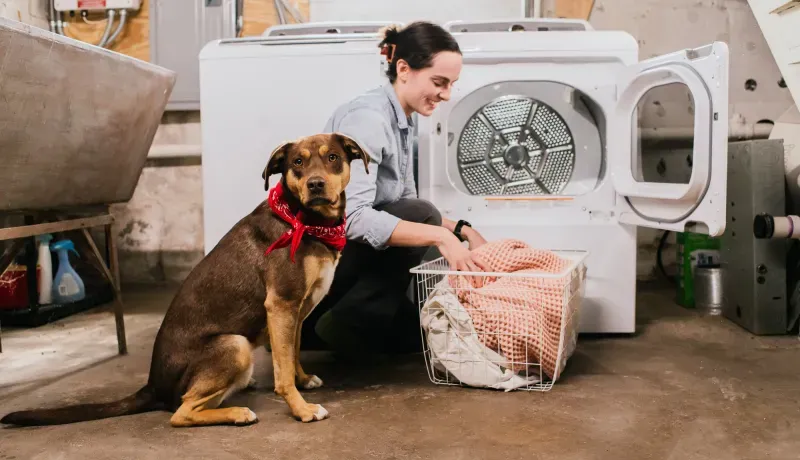
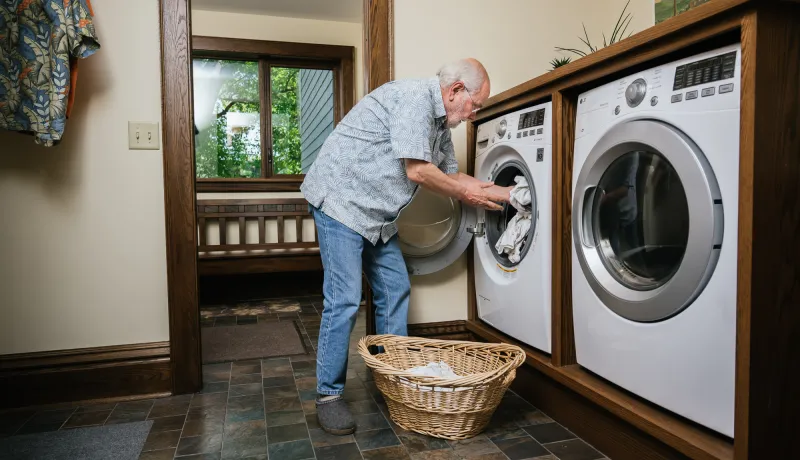
Switching to an electric clothes dryer can remove another gas-burning appliance from the home.
Heat pump dryers, sometimes called ventless dryers, use warm air to transfer moisture out of clothes and into a condensate pan or drainpipe. These dryers don’t need to be vented outside, so you have more flexibility in where you put them. Electric resistance dryers use heat from electric coils to dry clothes, but require venting.
Electric clothes dryers typically require 240-volt outlets. These are common in spaces where a dryer would normally be found or can be installed by an electrician. You may also be able to purchase a 120-volt electric clothes dryer, which will be easier to place in many homes.
Cooking and Clothes Drying FAQs
Induction stoves use electromagnetic fields to heat the cookware you’re using. When the cookware heats up, that heat is what cooks your food or boils your water. This means induction stoves use less energy, waste less heat, and are a faster way to cook. They also reduce extra heat in the kitchen and reduce burn risks, because the burners don’t stay hot after you’re done cooking. They do require compatible, magnetic cookware, but most steel and cast-iron pans will work.
Traditional electric stoves use electricity to heat the coils in your burner. That heat radiates into your cookware, where it cooks your food. Induction stoves use electricity to create magnetic fields, which then create heat directly in the cookware you use. Induction stoves cook faster, which is a major benefit. Electric stoves are more affordable, though. Both will electrify your cooking.
After heating or cooling and water heating, clothes dryers use a fair amount of energy. One of the easiest ways to reduce this energy use is to switch to a more efficient clothes drying option, like a heat pump clothes dryer. You could also consider air drying some items, or partially drying items in the dryer and then air drying them the rest of the way.
It can be hard to know exactly how efficient your home is. One way to get a basic understanding of your home’s efficiency is to get a home energy audit. If your utility doesn’t offer these, you could see if a local business offers them, or you can buy some tools to complete a similar assessment in your home. One tool you may want to consider is an energy meter. These devices measure energy use, so you can understand where your energy is being used. Your local library may even have some available to check out.
Find incentives, rebates, tax credits and more