Weatherization Guide
Weatherizing your home will improve your home's efficiency. You'll use less energy on the same activities, reducing your home's carbon footprint and saving you money over time. Weatherization also allows your electric heating equipment to operate more efficiently by reducing heat loss to the outside.
Make your electrification projects easier and more effective
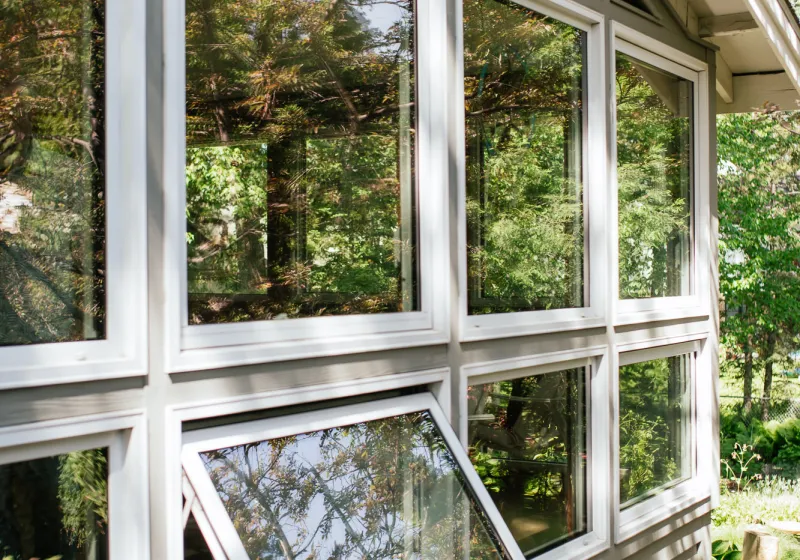
Weatherization reduces heat loss in your home. Usually, weatherization includes insulation, air sealing, and window projects. Sometimes it also includes ventilation projects to make sure the house has good air flow after it’s been weatherized. These activities reduce emissions, lower energy bills, and improve comfort throughout the year.
Insulation
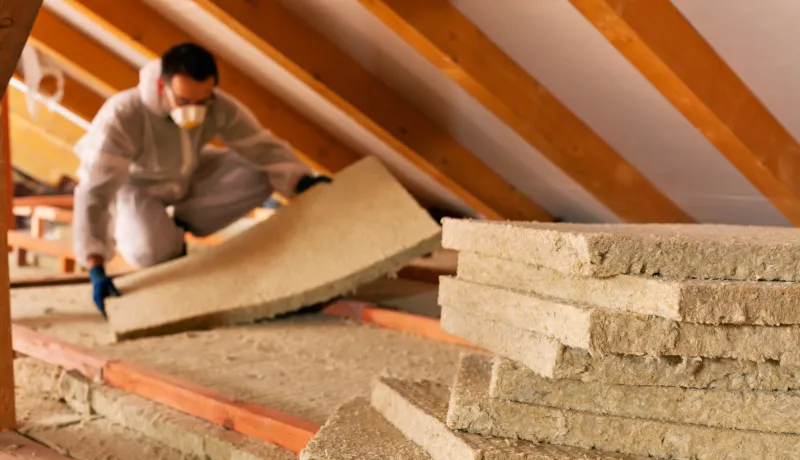
In climates like Minnesota’s, insulation is an important piece of keeping your home cool in the summer and warm in the winter. Not only will you stay more comfortable in a properly insulated home, but your energy bills will be lower, too. Wall insulation and attic insulation are two common projects, and they’re often paired with air sealing. Combined with air sealing, insulation is the most impactful energy efficiency upgrade you can make to your home.
Air Sealing
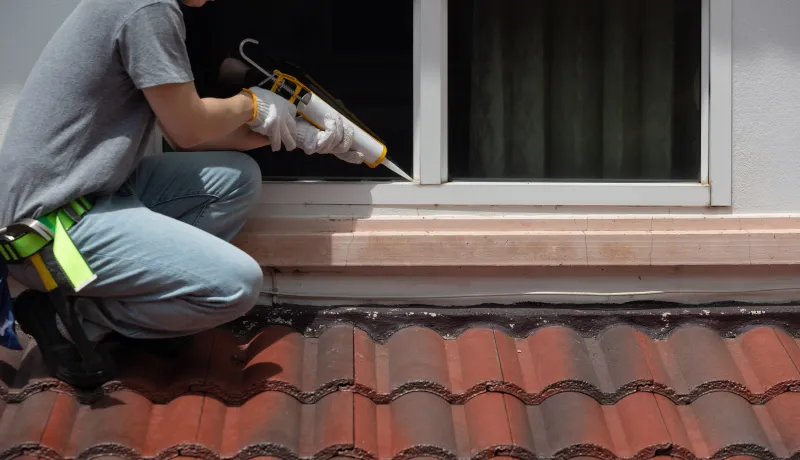
When you work with a contractor to air seal your home, they’ll seal gaps and holes that may be leaking air. This can make your home feel stuffy when it’s warm or drafty when it’s cold. It can also affect your home’s air quality, humidity, and efficiency. When your home is air sealed, you’ll experience more consistent temperatures and energy use. Combined with insulation, air sealing is the most impactful energy efficiency upgrade you can make to your home.
Windows
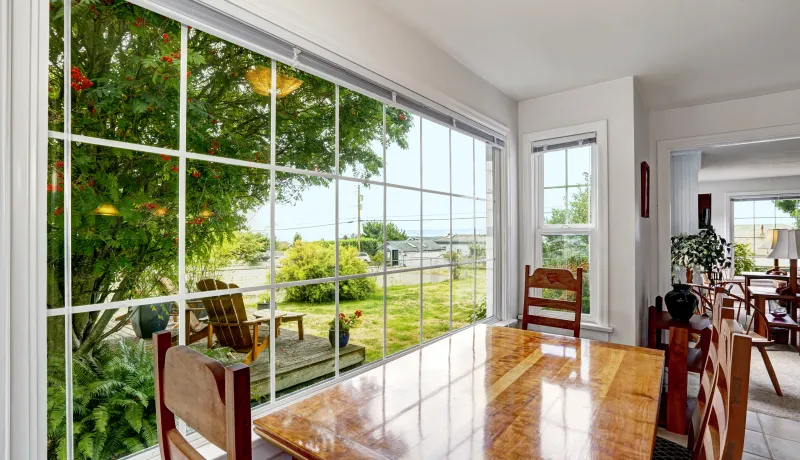
When it comes to your home’s windows, we find that many window projects are expensive and do not address the main causes of heat loss in the home. We recommend air sealing and insulation projects before considering windows. If you are ready for a window project, we recommend at least two panes of glass per window. If you have single-pane windows, installing storm windows over them can make them work like double-pane windows.
Ventilation
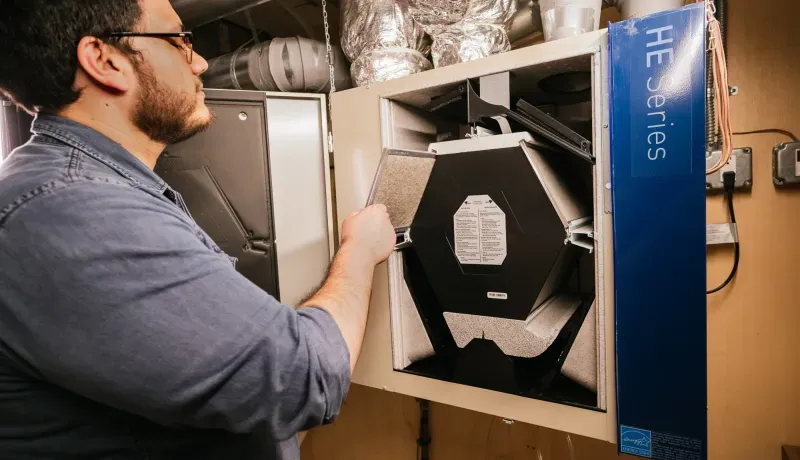
Having good air flow throughout your home is key to a healthy indoor environment. Without it, moisture and pollutants can build up, leading to health issues for you and structural concerns for your home. If you’re planning any weatherization upgrades in your home, it’s important that you work with a professional to understand and meet your home’s ventilation needs.
Weatherization FAQs
Insulating your home keeps the air you’ve heated or cooled inside, keeping the home more comfortable. This can reduce your energy bills, because you’re not heating or cooling air that escapes the home, and it prevents your heating and cooling systems from having to overcompensate for changing temperatures. If you pair your insulation with air sealing and ventilation, you can also reduce mold and moisture risks and improve indoor air quality.
Air sealing is the process of sealing minor gaps or leaks in the home, like where vents or wires enter or exit the attic from your living spaces. These small leaks are common, but they can add up, leading to discomfort and higher energy use. One way to find areas of air leakage is a home energy audit, which can use a combination of tools to measure and identify areas that are leaking.
We typically recommend working with a contractor for air sealing. Not only is the work technical and messy, but many homes that benefit from air sealing will also benefit from insulation. If you have a home energy audit, your report may include information on your insulation and may even have a quote for insulation and air sealing.
Plan Your Weatherization with an Energy Audit
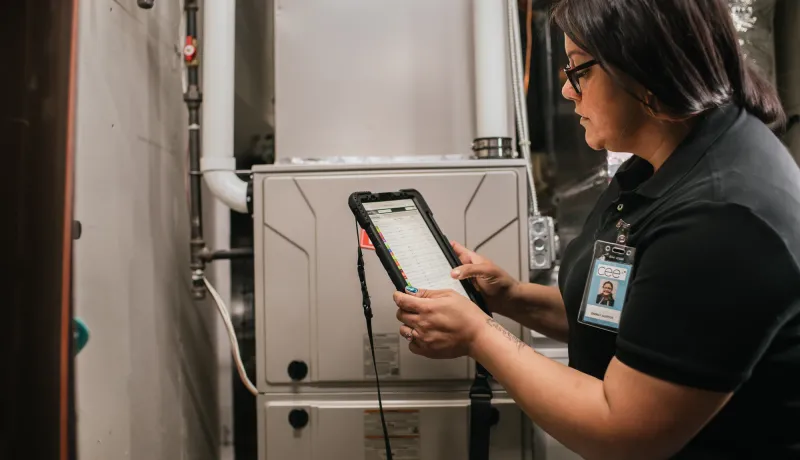
A home energy auditor can help you assess your home’s current weatherization and make recommendations for improvements that can save you energy and money on utility bills. Once you’ve had your audit, you may be able to speak to an advisor for information on available financial incentives and rebate-eligible contractors. Schedule your energy audit today.