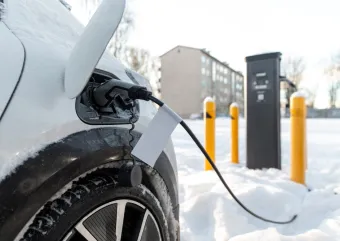
When you electrify your home, you transition from equipment or appliances that run using fossil fuels to options that run using electricity. For many people, electric vehicles (EVs) are a familiar example of this change. Electrify Everything Minnesota focuses on systems inside the home and does not provide support on EVs. However, our friends at Rewiring America, Clean Resource Energy Teams (CERTs), and Drive Electric Minnesota are great resources and this article offers some basic considerations for EVs.
Questions to ask yourself before buying an electric vehicle
Like other electrification projects, there is no one "right way” to switch to an electric vehicle. Instead, we recommend looking at your lifestyle, budget, home, and other factors to make an informed decision on what’s right for you.
Is an electric vehicle right for you?
We believe that electrification is for everyone! While some people may need to plan more around charging times and locations, it’s a lot like planning to get gas while you’re out and about. Everyone does it; electrification just changes how you do it.
How many miles do you drive daily?
Calculate your average daily drive time using your commute, any errands you regularly run, and so on. In the Twin Cities, the average commute time is around 24 minutes, which is about 15 to 20 miles, assuming a mix of city and highway driving.
A good rule of thumb is that an EV is ideal for about 200 miles a day, though an EV is still a viable option if you drive more than that every day. Your daily driving will help you plan the range you need. After doing the math, many people find they don’t need an extended range option.
Where will you charge your EV?
Using your daily driving, you can calculate your daily charging needs. Keep in mind that you don’t top off your gas tank every time you drive your car. Charging a battery for an electric vehicle can be the same.
For homeowners
Installing a charger at home can be a good option for convenience. Because most people don’t fully drain their batteries daily, you may not need high-powered charging at home, though many people appreciate the convenience.
If you do plan to install a charger in your home, you should work directly with an electrician to decide what’s needed. Your home may need a panel or wiring upgrade to support an EV.
You’ll also want to consider the time of day you charge your EV. While you won’t need to get gas in an EV, charging at home will increase your electric bill. Programs and special rates offered by Xcel Energy, Rochester Public Utilities (RPU), and Dakota Electric can help you offset the costs.
For renters or those on the go
Many resources exist for finding charging stations in your area. Typically, chargers are placed near shopping centers, restaurants, or other places where you can spend your time while you wait to charge. The Department of Energy maintains a map of EV charging station locations in the U.S. and Canada, but we always recommend confirming before you head out.
What will it cost to switch to an EV?
Like with any vehicle purchase, this depends on what you’re looking for.
Several EV options are available today and new options are released every year. If a used car is your preference, you can rest assured that the used EV market is robust. While battery degradation is a concern to some, especially in Minnesota’s cold climate, most find that the impact is limited with normal use, and a battery replacement is a relatively easy solution if needed.
An EV will also eliminate having to pay for gas, which can be especially helpful when gas prices are fluctuating. However, using more electricity to charge will raise your bill in other areas. See “for homeowners” for more information on electric rates. That said, most people still see energy savings after switching to an electric vehicle.
Ongoing costs of owning an electric vehicle in Minnesota may include:
- EV maintenance: Typically, maintenance costs on an EV are lower than a gas car because they don’t need oil changes. Tires, brakes, and cabin filters still need regular service.
- Vehicle registration fees: EVs need to be registered annually. EV drivers in Minnesota pay an additional fee on their vehicle to supplement lost income from the state’s gasoline tax.
- Charging costs: Charging typically has a fee associated with it. If you choose to install a charger at home, you’ll need to pay for the equipment, installation, and added electricity. Public chargers typically charge based on the electricity you use or the time you spend charging.
- Insurance and other fees: EVs require the same insurance, fees, and other costs as any other vehicle.
Many electric utilities provide incentives, like discounts for renting equipment or upgrading your electrical panel, so be sure to check with your utility before finishing your cost analysis.
Where to find more information
If you’re interested in switching to an electric vehicle, there are more advanced resources available than what is included here. Our friends at Rewiring America have a guide to electric vehicles for homeowners and for renters. You can also browse guides from Clean Energy Resource Teams (CERTs), and Drive Electric Minnesota for local resources. Whether you want to electrify your whole home or just a few items, driving an EV is one way to reduce the amount of fossil fuels you use, reducing your carbon footprint while potentially lowering your overall energy costs.